
Guide
-

- No crying, no fuss, easy on the road
- by by wwxb
- The fresh air blows across your face, it's a hug from nature! Your heart is full of anticipation, as if you see yourself as a heroic figure in a wilderness adventure. However, in the wilderness far away from civilization, sometimes things don't always go as planned. Maybe you suddenly sprain your ankle on a rugged mountain road, or accidentally fall while exploring an unknown area, causing serious abrasions. Worse still, you may even hear your stomach suddenly "grumble", protesting that you forgot to bring enough food and water in a hurry. What you need is some basic first aid knowledge and preparation. You can carry some first aid supplies with you, learn some basic first aid skills, and be fully prepared before you set off to ensure that you are able to deal with any situation that may arise.Be prepared for the worstWhen we talk about being prepared for the worst, it’s not just an empty slogan, but a real action strategy. You’re on a long trip, and your first aid kit is your little guardian angel in your backpack, silently guarding you. This first aid kit should be small and light enough not to be a burden on your body, but at the same time it must be filled with the necessities to treat minor injuries and illnesses. For wound care, you need to prepare disinfectant wipes or disinfectant solution, which are used to clean wounds. Next, there are bandages of various shapes and sizes, which can deal with various situations from small cuts on fingers to large abrasions. Gauze pads are used to soak the wound to help absorb blood and exudate. Don’t forget medical tape, which can effectively fix the wound and prevent the bandage from falling off.In addition to wound care, painkillers are also essential. Over-the-counter painkillers such as ibuprofen or acetaminophen are very effective in relieving headaches, muscle aches, and even unexpected sprains. They are like your portable doctor, allowing you to recover quickly in pain. Preventing blisters is also very important for long hikes or outdoor activities. Moleskin or blister pads are your good helpers. They can effectively reduce the friction between the feet and shoes and prevent small blisters from becoming eye-catching monsters. Remember to prepare pads of various shapes and sizes to cover any potential hot spots on the feet. Allergy attacks are also something we need to be vigilant about. If you react to bee stings or poison ivy, antihistamines can quickly relieve your discomfort and keep you calm in an emergency. In addition to the above, there are some emergency essentials that are also indispensable. A pair of blunt-tipped small scissors can be used to cut tape or bandages, which is very practical. Tweezers can help you remove those pesky splinters or thorns to avoid infection. And an emergency blanket can provide you with warmth when you feel cold.Stop and calm downWhen facing any outdoor medical situation, our first and most important rule is: don't panic! In the face of sudden accidents, keeping a cool head is the key to handling emergencies. At this moment, our first thing to do is to ensure the safety of ourselves and other people on the scene to avoid any further injuries. If we are facing a super serious injury, such as a broken bone or other life-threatening situation, we must quickly activate the emergency plan. This may include calling emergency services immediately, finding the nearest medical facility, or following the emergency rescue training we have received before.For common minor injuries, we can follow the golden rule of first aid: stop, calm down, and repair. "Stop" means that we should not take any action that may make the injury worse. For example, if you are injured during mountaineering, you should stop moving immediately and find a safe place to rest to avoid aggravating the injury by continuing to move. Next, "calm down" requires us to carefully assess the injury. Observe whether the wound is bleeding? Does the injured part look deformed or misplaced? Can the injured person still move normally? Through these questions, we can initially judge the severity of the injury. Finally, "repair" is to use the first aid supplies at hand to perform preliminary treatment on the wound based on our investigation. For abrasions, we can clean the wound with clean water and sterilized cotton balls; for sprains, we can use ice to reduce swelling and pain; for minor discomfort such as headaches, we can use painkillers to relieve symptoms. We are not professional doctors. In an emergency, although we can take some basic first aid measures, we should never try to play the role of a doctor without professional knowledge and skills. If we are unsure of the severity of the injury, or the injury may involve life safety, we should immediately seek the help of a professional doctor to ensure that the injured person receives timely and effective treatment.Common trauma quick treatmentFor cuts and abrasions, clean the wound thoroughly with clean water or disinfectant wipes to remove all dirt and bacteria. Then, gently press on the wound with a disinfectant dressing to stop bleeding and prevent more bacteria from entering. Make sure the dressing covers the entire wound and bandage it well, which not only prevents dust and bacteria from entering, but also keeps the wound moist and promotes healing.Sprains and strains are usually caused by overstretching or tearing of muscles, ligaments or joints. In this case, the RICE principle should be applied as soon as possible: rest, ice, compression and elevation. Let the injured part get enough rest and avoid further activities.Blisters are formed due to the accumulation of fluid under the skin. For small, unbroken blisters, no special treatment is usually required, just avoid further friction or irritation. If the blister is large or painful, you can first carefully puncture one side of the blister with a sterilized needle to let the fluid flow out. But be careful not to remove the skin covering the blister, because that is the body's natural bandage that helps prevent infection and promote healing.Insect bites and stings may cause redness, swelling, itching, and pain. If the insect has left a stinger (such as a bee sting), carefully remove it with tweezers. Then, wash the affected area with soap and water to remove the insect's venom and bacteria. Next, apply a cold compress to reduce swelling and itching. You can use ice cubes or ice packs for cold compresses, but again, be careful to prevent frostbite.
-
- Get off the ceiling! Look up at the sky!
- by by wwxb
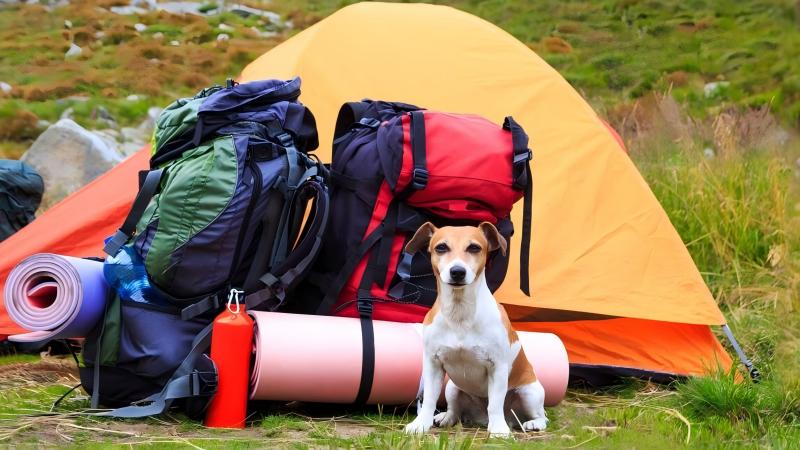
- Have you ever woken up to the sound of birds chirping and sunlight flooding your tent like a scene straight out of Instagram (minus the filter)? Imagine a steaming cup of coffee on a mini stove, the aroma mixing with the earthy musk of pine needles. That, my friends, is the magic of backpacking - a chance to ditch the daily grind and reconnect with the unfiltered, raw beauty of the outdoors. But don't worry, there are some essentials that need to be organized before that happens. Don't worry, aspiring adventurers! Doing these things will allow you to embark on your journey with confidence and some bragging rights (and maybe a great Instagram story or two).Your Backpacking BFF - Choosing the Perfect BackpackThink of a backpack as your trusted traveling companion that hauls your essentials through miles of wilderness. Here, comfort is king. Choose a backpack with breathable mesh and adjustable straps that hug your hips and shoulders like a long-lost friend. A good rule of thumb is that the backpack should rest comfortably on your hips and the straps should follow the natural curves of your body. Don't be shy, load up a test backpack at the store and wander around - and indulge your backpack modeling instincts on the runway (hopefully without an audience). As for size, weekenders can get by with a 40-50 liter backpack, while long-distance adventures may require a large 60-liter backpack to hold all your gear. Remember, every ounce counts, so pack light - you'll thank yourself later (especially when going uphill).Home away from home: camping under the starsA tent is your shelter under the stars. Tents should be lightweight, easy to pitch and weatherproof. While a backpacking tent may prioritize weight reduction over all-weather protection, a three-season tent can strike a good balance between weight and coping with the occasional rain or snow. If you're planning on challenging harsher conditions, a four-season tent offers the ability to handle heavy snow or strong winds. Basically, just choose the tent that best suits your adventure style.SIeep like a bear (and hopefully snore less): Comfort in a sleeping bagA good night's sleep is the foundation of an epic adventure. Choose a sleeping bag with a temperature rating that matches your backpacking season. Down sleeping bags are like Usain Bolts - lightweight and super warm, but they don't like to get wet. On the other hand, synthetic fiber sleeping bags are slightly heavier, but can withstand moisture. Don't forget the sleeping pad! It acts as insulation between you and the cold ground, ensuring you don't wake up feeling like a human popsicle.Backpacking Food and Cooking GearBackpacking food has to be lightweight, calorie-dense, and something you don't mind staring at for days (variety is the spice of life, but maybe not on this trip). Consider dehydrated meals, energy bars that taste decent, trail mix that won't make you feel like a squirrel, and instant oatmeal that won't bring back memories of the bland breakfasts of your childhood. A lightweight camping stove and a cooking pot will be great for cooking your meals in the wilderness (think gourmet campfire mac and cheese instead of Michelin-starred cuisine). Remember to respect the outdoors - pack your trash away and follow the Leave No Trace principle. No one likes a litterer, not even the majestic mountain goat.Hit the trail in style (or at least comfort): the right shoes and emergency itemsA sturdy and comfortable pair of hiking boots is like a reliable companion for your feet. Lightweight hiking boots are good for well-maintained trails, while ankle-supporting backpacking boots are great for rugged terrain. Fit is key. A map, compass (or GPS with spare batteries, just in case) is your navigation team. Learn some basic orienteering skills before you go - you don't want to end up circling in place like a lost puppy. Pack a headlamp for those inevitable "oops, it's dark" moments, and a basic first-aid kit for minor scrapes and bumps (because even the greatest explorers trip over the occasional tree root).
-
- A sudden change in the weather? Hurry up and protect yourself!
- by by wwxb
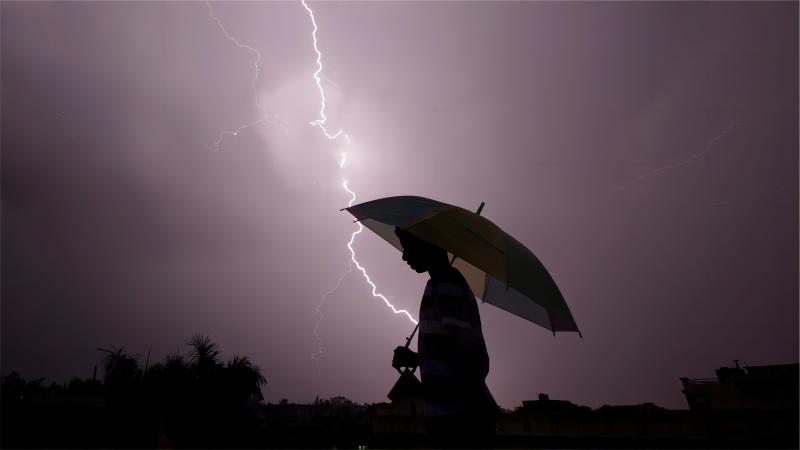
- You are now wearing durable, windproof and waterproof outdoor gloves and deep into the wilderness. Your figure seems so small in the vast land, but it exudes the courage and determination of an explorer. Just as you are immersed in this freedom and excitement, the mood of nature suddenly changes drastically. The wind begins to howl, sweeping everything around, and the whole sky seems to be shrouded in a bad mood on steroids, which is extremely depressing and heavy. Uh oh, nature shows her not-so-pleasant side. Don't panic! Although extreme weather can be scary and unsettling, as long as we master some basic survival skills and make corresponding preparations, we can successfully withstand the invasion of storms.Pay attention to the weatherCheck the forecast (and then check again): Don’t trust sunshine and rainbows just because your weather app said it a week ago. Mountain weather can change faster than a toddler’s mood swings. Check the forecast regularly, especially before you leave. Pay close attention to any warnings or advisories for your area.Pack for every eventualityDon’t be fooled by a sunny morning—bring multiple layers! That way, you can adjust your clothing as the temperature changes. Even if the forecast seems sunny, bring a raincoat and waterproof pants. Even in the summer, don’t forget warm clothing like a hat, gloves, and a fleece jacket for suddenly cold nights or unexpected weather changes in the mountains.Invest in a good shelterWhile a five-star hotel room may sound ideal, a sturdy tent is your best option when the weather changes suddenly. Choose a tent that is suitable for the conditions you may encounter. A four-season tent can handle more severe weather, while a lightweight backpacking tent may be sufficient for a sunny hike, but there may be afternoon showers.Know your emergency planBefore you go, make a plan for what to do if you encounter severe weather. Do you have a designated emergency shelter you can get to? Who is your emergency contact? What is the best way to signal for help? Being prepared doesn't guarantee the sun will shine, but it will definitely give you peace of mind and increase your chances of staying safe if the weather takes a nasty turn.Find ShelterIf you're already in bad weather, your first priority is to find shelter. Get out of the open: This may seem like a no-brainer, but it's extremely important. Avoid exposed areas like ridges or open fields. If possible, head for lower ground. Look for natural formations like caves or overhanging rocks (make sure there's no danger of rockfall or flash flooding). If you're lucky, you might find a pre-built structure like a ranger station or sturdy cabin. If you have the time and the right spot, pitch a tent as a wind and rain barrier. Make sure your tent has anchor ropes and stakes to protect against strong winds. In a pinch, you can make a makeshift shelter out of anything you have on hand. Use fallen branches, leaves, and your raincoat to create a windbreak. Dig a trench around your makeshift shelter to divert water. The idea is to create a barrier that blocks wind, rain, or snow to help keep you warm and dry. Staying safe is more important than being comfortable -- you can always deal with a slightly cramped or wet shelter after the storm passes.Stay warm and dryOnce you have found shelter, focus on staying warm and dry. Wear all of your dry clothes, even if they are less than ideal. If necessary, stuff some leaves or grass inside your clothes for added insulation. Gentle movement helps generate body heat. Do some light stretching or jump rope to get your blood flowing. Drink plenty of water even if you don't feel thirsty. Dehydration can worsen the effects of cold weather.Food provides the body with fuel to stay warm. If you have high-calorie snacks like energy bars or nuts, munch on a few to keep your energy levels up. Protecting exposed skin with a hat, gloves, socks, or even a bandana can go a long way.
-
- Driving, biking or walking? Which of the different camping transportation options is best
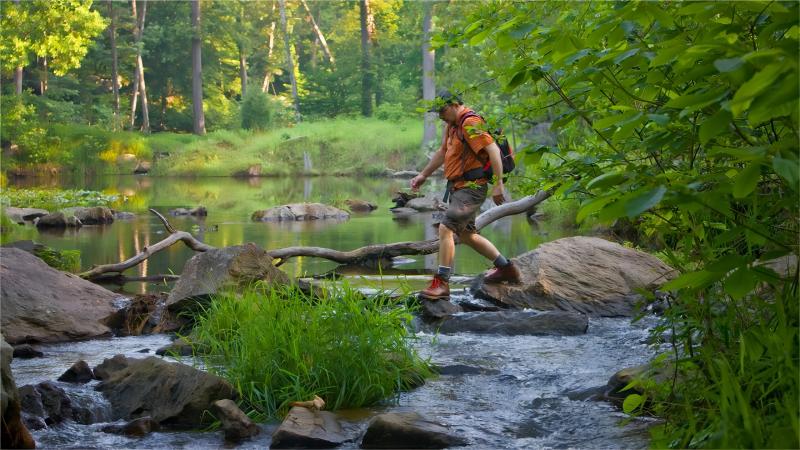
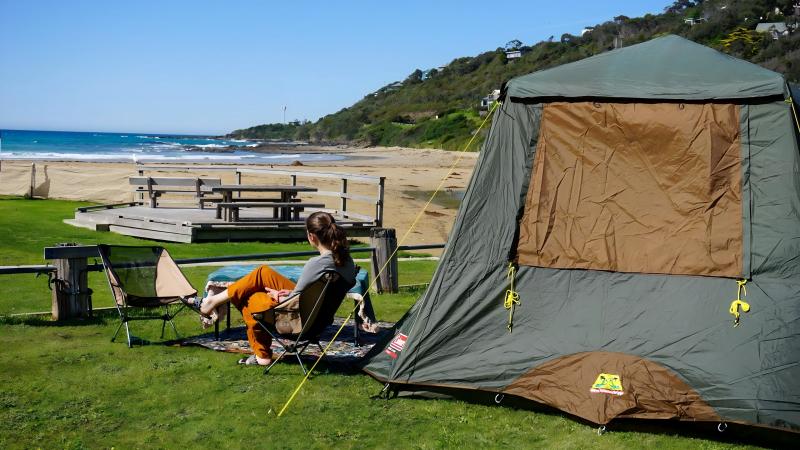
- Camping is the ultimate call to the wilderness, a bold invitation to leave the hustle and bustle of modern life behind and embrace the fresh air of freedom. Before you pack your marshmallows and map, there's one key question lurking in your plans: how do you get there? By car, bike or on foot, each way offers its own unique adventures, challenges and charms. Choosing the right way can make or break your entire camping experience, and it's time to explore what works for you!Option 1: Driver's ParadiseYou're cruising down the open highway with the windows down, the wind ruffling your hair, and your favorite camping music playing over the speakers. The trunk is stocked with everything from a luxury tent to the coziest pillows. That, my friend, is the magic of driving to a campground.Driving is the king of convenience. Space, speed and control are all under your control. You can pack as much gear as you want - extra snacks, the right cooking tools, a portable grill, even your favorite board game. Don't limit yourself to the bare necessities; self-drive tours allow you to bring the comforts of home to the great outdoors.But realistically, a self-drive trip isn't without its quirks. Much of the appeal of a road trip depends on your companions, or lack thereof. Self-driving is just as fun as camping. But if you're alone and stuck in bumpy traffic? Alas, this is not a peaceful prelude to your escape from nature. Don't forget to park. Some campgrounds have limited parking, and arriving late could leave you hiking a mile with the gear you insisted on bringing. Driving to a campground is like bringing the best of both worlds - comfort and adventure. You're free to explore far-flung places, find hidden trails, and even return to the safety of your car when the weather is bad.Option 2: A Cyclist's Dream The romance of biking to a campground! Ride along scenic trails with nothing but the hum of tires and the whisper of the breeze in your ears. You'll feel energized, unstoppable, and a little hardcore. Bicycling allows you to enjoy the adventure and outing to the fullest, and it's not for the faint of heart. On a bike, you're mobile, yet connected to the world around you. Every mile is hard earned and every view is savored. You won't be whizzing past roadside attractions or shouting “explore me” from the trail! Instead, you'll become part of the scenery, pedaling through rolling hills, forest canopies, and even rugged mountain roads. The physical effort makes for an accomplished camping trip.But before we paint the bike in heroic colors, let's talk about what that really means. Packing light is unquestionable, and you have to get creative with what you bring. No, your cast iron skillet isn't coming. Instead, you'll have minimalist gear: a compact tent, freeze-dried food, and maybe a tiny camping stove. This isn't a trip to bring luxuries; it's a trip to embrace the essentials. And the weather! A rainy day on the bike feels less like a refreshing drizzle and more like an endless obstacle course. Cycling to a campground is an adventure. It's perfect for those who crave a challenge and like to feel like they're part of the journey and not just the destination. Yes, it can be sweaty. Yes, it's tough. But every mile you pedal out becomes a memory to savor.Option 3: The Pilgrimage of the Walker You, a backpack, a trail to the unknown. If walking to a campground doesn't sound like the start of an epic adventure, then you've probably never tried it. Walking is the most primitive form of transportation in camping, a pure, unfiltered connection to the natural world. It is the ultimate test of resilience, planning and spirituality. Walking to the campground is a complete experience. There are no car doors, no bike chains, just you and the crisp sound of gravel underfoot. You'll feel every change in the terrain, every change in the weather and every breath of fresh air. Sure, the pace will be slower, but that's the point. Walking forces you to live in the moment, to capture the tiny details that you might otherwise miss. A hidden wildflower, a curious squirrel, the sound of a stream in the distance - all of these become part of your journey.Hiking means ultralight. A backpack is your lifeline and every ounce counts. Essentials like water, food, and shelter must fit in a pack that won't ruin your shoulders after an hour. Hiking is all about survival in style. That's where the real fun comes in - getting creative with your packing list and seeing how much you can live without. But, ah the challenges! Blisters, unexpected weather changes, and the occasional wrong turn are all part of hiking. However, the process of overcoming these difficulties is magical. Each step brings you closer to your destination, and when you finally get there, it feels like you've conquered the whole world. You haven't just reached the campground, you've earned it. Hiking is for those who want to strip camping of its essence. It's raw, empowering, and highly personal.Which is the best way for you? So, driving, biking or walking - which would you choose? The answer depends on your personality, goals and desire for adventure. If comfort and convenience are your priorities, then driving allows you to enjoy the outdoors without leaving your favorite luxuries behind. For thrill-seekers and fitness enthusiasts, bicycling is a choice between easy and effortless. If you crave a true test of courage, walking is the ultimate in getting into the arms of nature. There are no wrong choices here, only the right one for you. Each method has its benefits, quirks and challenges. Whichever way you choose, one thing is certain: the journey will define your adventure as much as the destination.
-
- Camping in the rain and still having fun? These alternative plans are so good!
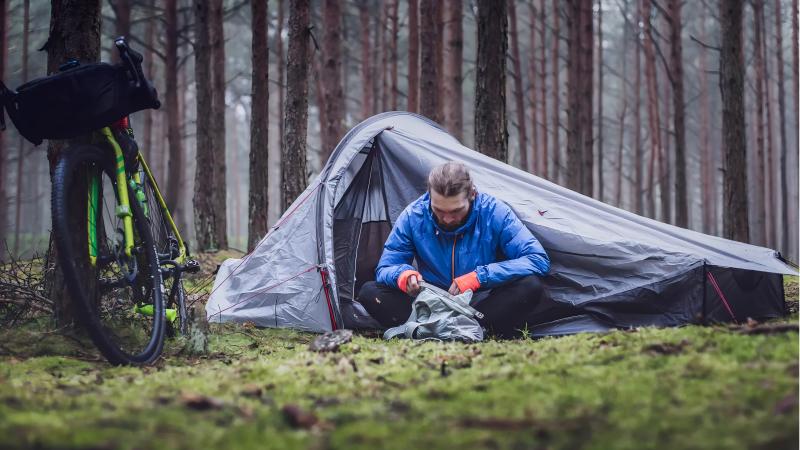
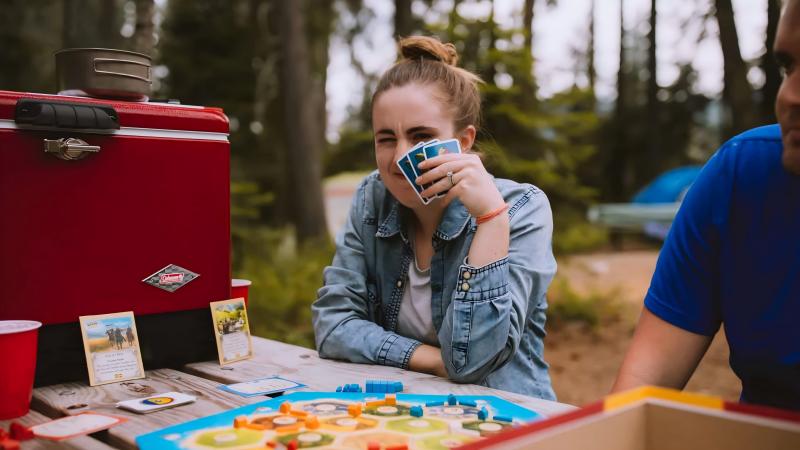
- Imagine you've been planning a camping trip for weeks. You've stocked up on snacks, polished your hiking boots, and picked out the perfect spot to pitch your tent. Then, as if God decided to play a cruel joke, the weather forecast changes abruptly - it's raining. It's not a drizzle, it's a heavenly downpour. Would you cancel everything, pack your bags and sulk at home? Of course not! Because rain is not the end of the world, it's just the beginning of a new adventure. Follow me and I'll show you how to turn camping in the rain into a legend worth retelling.Why Rainy Days Aren't What They SeemTruth be told, camping in the rain doesn't have a good reputation. Everyone imagines soggy sleeping bags, dripping tents, and the “squeaking” sound your shoes make when water gets in them. But here's the thing: rain can actually add a bit of magic to your trip. The sound of raindrops tapping on your tent as you cozy up to it, or the way each drop of rain makes the forest come alive and fresh. The air is filled with the pure scent of earth, and the scenery is like a scene from a fantasy movie. It's nature's way of telling you: Hey, I've got a different vibe for you today. Nonetheless, preparation and flexibility are your new best friends. Rainy day camping isn't about accomplishing everything you've planned even in spite of the rain, it's about organizing activities and setting up for the rainy day.Step 1: Create a dry fortBefore we get into the fun activities, let's talk about staying dry. You need to turn your campsite into a dry fort. First, pitch your tent on higher ground. Low lying areas tend to hold water, and trust me, you don't want to wake up in a small lake. If your tent didn't come with a rain cover (or you forgot it - no judgment), get creative. Hang a tarp over your tent to not only keep the rain off, but to create a covered space outside your tent for cooking or hanging out. Pro tip: Bring plenty of tarps and ropes. You can never have too many options for staying dry. Don't forget the holy grail of camping - a waterproof bag! Put your clothes, gear, and sleeping bag in one of these nifty bags and you'll feel like a genius when everyone else's stuff turns into a soggy mess.Step 2: Cozy indoor camping games and activitiesOkay, let's pretend it's actually raining. You're in your tent, staying dry and wondering what to do next. This is your chance to embrace the cozy side of camping. Rainy days are perfect for slowing down, relaxing, and enjoying activities you wouldn't normally prioritize. Bring a deck of cards or a small board game. If you have children with you, bring some coloring books, storybooks, or even some simple crafts. There's something magical about making art while the rain gently taps on the tent roof. Feeling fancy? Turn your tent into a mini movie theater. If you brought a mobile power supply, you can queue up a few movies on your tablet or phone. Wrap yourself in a sleeping bag, grab a snack and enjoy the movie experience in the wild. If it's a rain-themed movie, it's even better.Step 3: Hiking in Rain GearJust because it's raining doesn't mean you have to stay cooped up at home. Grab your raincoat, waterproof boots and a sense of adventure and head out. Hiking in the rain is an unparalleled experience. The world feels quieter, softer, and more energized. Plus, most people avoid the trails in the rain, so you have the whole place to yourself. Of course, safety comes first. Stick to well-marked trails, watch your step on slippery rocks or muddy paths, and don't push yourself too hard. The goal here is not to summit, but to soak up the atmosphere (pun definitely intended). Bring a waterproof pouch for your cell phone so you can capture the foggy views and sparkling leaves.Step 4: Rainy Day Bonfire FeastsWait, can you have a bonfire in the rain? Sure you can! It just takes a little extra effort. First, find some dry firewood. If you can't find dry wood nearby, then you bring a stockpile of firewood and build a makeshift shelter over the fire pit with a tarp or rain cover. Once lit, keep the fire steady with small, dry firewood. Oh, and you can also cook food! Rainy days are perfect for cooking comfort food. Think gooey campfire mac and cheese, rich chili cooked in a Dutch oven, or classic hot dogs and marshmallows. If you're feeling fancy, try making foil packet meals with seasoned vegetables, chicken or fish.Step 5: Embrace the neighborhood's alternative adventuresIf your campground turns into an unmanageable swamp, don't panic. Sometimes the best way to salvage a rainy trip is to explore nearby attractions. Check out museums, visitor centers, or quaint town stores near your campsite. A rainy day is the perfect time to learn something new about the area or buy a unique souvenir to remember your trip. Also, look for indoor activities like bowling, escape rooms, or even local cafes with board games and hot drinks. You may find yourself stumbling upon an unexpected treasure that will be the highlight of your trip.
-
- The art of camping gear storage: the secret to easily halving your luggage
- Ah, camping. The thrill of the outdoors, the smell of fresh pine - isn't that the ultimate vacation? But let's be real: packing your bags for a camping trip? This is where the fun hits a roadblock. You start out with a small pile of essentials, but before you know it, your gear becomes a jumbled mountain. Suddenly, you're the one lugging around three travel bags, a cooler, and an assortment of disorganized items that never seem to fit neatly anywhere. Sound familiar? It's time to change all that. Welcome to the world of camping gear organization - a life hack that will help you cut your luggage in half and regain your sanity. Ready?Step 1: Embrace the Packaging RevolutionFirst things first: you need to shift your mindset. Camping packing isn't just about throwing everything you could possibly need into a bag and hoping for the best. Nope, nope, nope! It requires strategy, precision, and how to make each item work double or even triple duty. Think of yourself as a camping ninja, sweeping away unnecessary clutter with the finesse of a seasoned professional. Here's the thing: The secret to cutting your luggage in half isn't cutting corners, it's maximizing space. Say goodbye to the days of stuffing your sleeping bag and random kitchen gadgets into the same bag. Instead, learn to compartmentalize. That's right, break things into smaller, more organized categories.Step 2: Bag within a bag and then some!Here's a golden rule you should keep in mind: organizer bags are your best friend. You'll need a mix of organizers, compression bags, and trusty zipper bags. Trust me, these things are lifesavers. Why? Because they shrink, separate and streamline your gear like magic. Take clothes, for example. Instead of randomly rolling up your clothes and stuffing them into your first pocket, invest in some compression bags. These compression bags are like mini vacuum cleaners for your gear. Wool jackets, warm pants and socks? Pfft! Compressed into a flat little bag that takes up almost no space. Plus, they stay dry, which is a godsend when Mother Nature drops a rainstorm. For smaller items - headlamps, spare batteries, first aid kits - use a zipper pouch. Not only will this keep everything neatly organized, but it will also give you easy access to the essentials.Step 3: Throw out the duplicatesDo you really need three different camping stoves? Or a whole set of pots and pans for a two-day trip? The answer is no. Minimalism is your new mantra, my friend. Focus on gear that's multi-purpose. A fork? Genius. It's a spoon, a fork, and can stab like a knife in a pinch. A collapsible pot? Perfect. You can cook rice, boil water, and pack it flat when you're done eating. And don't even get me started on multi-tools. A Swiss Army knife can replace half the bulky gadgets that take up valuable space in your bag.Step 4: Master the Art of Packing LightBelieve it or not, there's a wrong way to pack, and it usually involves stuffing items to the brim without thinking. You need to create layers of logic. Start with heavy items like tents and sleeping bags. These should be placed at the bottom of your pack to create a solid foundation. Next, put in clothing - remember those nifty compression sacks we talked about? Stack them up like a puzzle. At the top, you can stack lightweight items: food, cooking supplies, and personal items. And then you're done! You'll have the perfect traveling bag that won't be on your back for five minutes at the start of your hike. Be sure to leave some space at the top of your pack for last-minute additions.Step 5: Say Yes to Space-Saving GearIf you're still struggling with how to fit everything in, maybe it's time to upgrade your gear. The camping world is full of genius space-saving solutions. For example, instead of a bulky traditional sleeping bag, opt for one of those ultralight sleeping bags that shrinks down to the size of a water bottle. Or swap a bulky cooler for a collapsible soft-sided cooler. Don't overlook the power of stackable or nestable items. Bowls that fit over each other, cookware that folds up, camping chairs that fold up into little cylinders? Sure you can. It's like playing Tetris with your gear, and it's both satisfying and efficient.Here's an extra tip to make your camping trip go more smoothly: think about how to unpack. You need to organize your gear so that the items you need first are the easiest to reach. For example, if you're setting up camp right away, your tent should be at the top of your bag. On the other hand, items such as spare clothes or extra food can be left for later. If you're carrying a lot of similar looking gear, don't forget to label your pouches and bags. Nothing ruins the mood of a camping trip more than rummaging around in three identical bags looking for your toothbrush.
-
- Check it out, check it out! These are the hidden campgrounds you didn't know about
- You're scrolling through endless pictures of crowded campgrounds where tents are packed tighter than sardines and the only sound you hear is your neighbor's snoring - or worse, their Bluetooth speaker blasting pop songs. That's not a true picture of “escaping nature,” is it? But wait! What if we told you that there are secret havens out there, where the trees whisper secrets that only you can hear, and where the scenery is like a dream? Yes, they do exist, and you're about to unravel their mysteries! Not only are these five hidden campgrounds off the beaten path, they're also so unobtrusive they'll make you feel like an explorer on a National Geographic special. So pack up your gear, whet your wanderlust, and get ready for some jaw-dropping adventures.Crescent Bay Resort: Your Private Beach Resort Close your eyes and imagine: towering cliffs ringing a pristine beach, waves gently lapping at the shore, and not a soul in sight. Crescent Bay Hideaway is like the kind of place you'd see in a movie, and guess what? You could spend a weekend here! Along a winding coastal path, this secluded gem is perfect for those who want to swap the hustle and bustle of the campground for the soothing rhythms of the ocean. You can set up your tent on the soft sandy beach under the shade of palm trees, and as the sun sets, the stars will reflect in the water like glitter. It's pure magic. The best part? The adventure of traveling there. You'll feel like Indiana Jones as you weave through hidden trails, dodge overgrown branches and leap over streams. What's the catch? In this private paradise, your only companions are curious crabs and the occasional seagull. Pro tip: Bring a portable grill for barbecuing on the beach, and don't forget your camera. Whispering Pines Hollow: A Forest Fairytale If you've ever wanted to live in a fairy tale, this is your chance.Whispering Pines Hollow is a lush woodland sanctuary that's like something out of a storybook. Towering pines form a natural cathedral, their branches filtering the sunlight into a golden haze. The air smells of earth and evergreens, and the only sounds are the gentle rustling of leaves and the occasional bird song. This campground tucked away deep in the forest is like a world away. You'll find yourself surrounded by ferns and wildflowers, with a clear stream running through it. Perfect for pitching a tent by the water's edge and falling asleep to the sound of the babbling brook. What's truly magical about this place is its tranquility. There are no noisy neighbors, no car engines, no distractions. Just you, your friends and nature in its purest form. Here you can sit around a campfire and listen to your own reflections or share ghost stories and laugh until your stomach hurts. We recommend bringing a hammock. There's nothing like swinging between two trees with a good book in hand and the fresh scent of pine in the air. Starlight Ridge: the ultimate stargazer's paradise Ready for an eye-opening experience? Starlight Ridge offers you a front-row seat overlooking the cosmos, and trust us, it's a spectacular show you don't want to miss. This campground sits on top of a remote hill and feels like you've been dropped into a planetarium, except that the stars here are real and they're so bright you feel like you can reach out and touch them. During the day, the views are equally stunning. Rolling hills are in full view, dotted with wildflowers and snow-capped mountains in the distance. You'll feel like you've stepped into a postcard. But the real magic happens after sunset. Lay back on a blanket and let the cool night breeze kiss your cheeks as you watch the sky come alive with constellations, shooting stars, and maybe catch a glimpse of the Milky Way. It's like the universe is putting on a private show for you. If you have a telescope, even just a pair of binoculars will do. And don't forget the hot chocolate - it's the perfect stargazing companion.Golden Meadows Resort: Wildflower Wonderland If you've ever dreamed of camping among the flowers, Golden Meadows Resort will make your dreams come true. Tucked deep in the valley, this campsite is surrounded by rolling meadows that burst into color during the spring and summer months. Imagine waking up to a sea of wildflowers swaying in the breeze and the soft buzzing of bees. This place is perfect for the romantic at heart. Setting up camp in the middle of the meadow, you'll feel like you're in your own private Garden of Eden. The wide open spaces are perfect for games, picnics or just lying back and watching the clouds. As the sun sets, fireflies light up the night and the meadow is transformed into a luminous wonderland. It's also a haven for wildlife lovers. Keep an eye out for deer grazing nearby or eagles soaring through the air. Every moment here is like a scene from a nature documentary, except you're there. Pro tip: Bring light but sturdy gear - it's a bit of a trek to get here, but the rewards are worth every step.Hidden Canyon Oasis: The Best Kept Secret in the DesertDo you think the desert is only sand and heat? That would be a big mistake. Hidden Canyon Oasis is a secret paradise nestled in a rocky canyon with lush greenery, streams and breathtaking views. The journey to the campground is part of the adventure. You'll wind through narrow canyon trails, marveling at the towering red rocks and their spectacular formations. When you finally arrive, it feels like stepping into another world. Set up camp by the stream and listen to the sound of rushing water as you soak in pure bliss. During the day, explore the nooks and crannies of the canyon - you may stumble upon ancient petroglyphs or hidden waterfalls. At night, the desert sky can present a dazzling sight, with stars so bright they almost overshadow the moon. Bring plenty of water and a sturdy pair of hiking shoes. Don't forget to wear a wide-brimmed hat - the desert sun is not to be messed with.
-
- 4 Fun Camping Games to Keep the Fun Going in the Wild
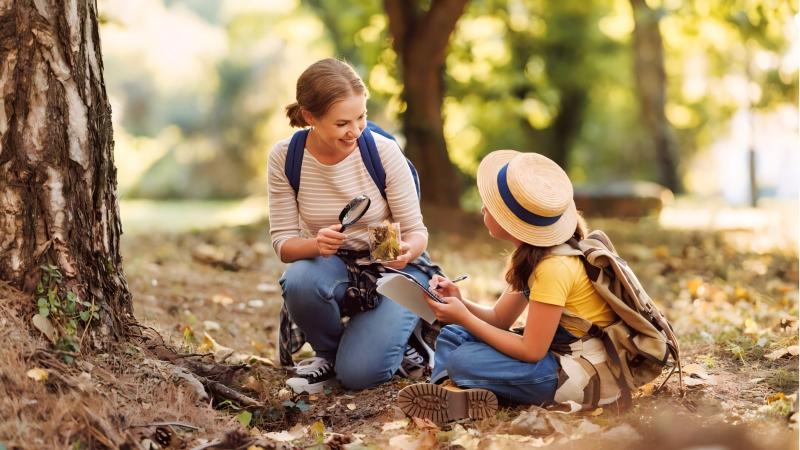
- You are in the wilderness, surrounded by towering trees, twittering birds and the smell of fresh pine needles. The campfire is crackling and the sun is dipping below the horizon, coloring the sky fiery orange and pink. But then it hits you - what to do now? Sitting quietly or scrolling through your phone doesn't conjure up images of an exciting camping adventure. Don't worry, we've got you covered! Get ready to spice up your camping trip with these four ridiculously fun games that will turn your wilderness outing into a laugh-filled extravaganza. Zip up your tent, grab your crew, and plunge into these craziest games that will make you laugh.1. Flashlight Game: Bring the shadows to life! When darkness envelops the campground, the game begins. The flashlight game of tag is similar to the regular game of tag, but the difficulty level has been raised to 11. The rules are simple: one person is “it” and holds a flashlight. The others? Hide away from the light like your life depends on it. The excitement skyrockets as you sprint behind a tree, hide behind a tent or roll into a bush like an agent on a mission. The beam of a flashlight streaking through the darkness is your enemy, and each flash sends your adrenaline soaring. The silence of the forest amplifies every rustle and snap of branches. Imagine: the thrill, the suspense, and the victory cheer when you manage to hide. The laugh you'll get when someone trips over a tree root in their haste. Let's face it - when the flashlight hits the person who is sprinting, that “Aha! Gotcha!” sense of triumph is unrivaled. Want to play with more excitement? Add restrictions to the game, or penalize those who get caught, like singing a campfire song or telling a boring story.2. Campfire Charades: Drama in the Dark Who needs board games when you have an imagination? Campfire charades is the perfect way to turn a quiet evening into a great comedy show. Gather around the fire, grab a stick (because you're writing in the dirt now, baby) and let the show begin! Take turns drawing a card - or just any card if there's not enough paper - and act it out without saying a word. The more absurd the clues, the better! Imagine someone imitating a bear hula-hooping, or pretending to roast marshmallows on a burning comet. It's chaos, pure and simple, and everyone loves chaos. We haven't even started guessing yet! Guessing wrong is half the fun. Who would have thought that “fishing” would look like “snake taming” and “tenting” would look like a kung fu fight with an imaginary squirrel? You'll be laughing all the way to the bank. The best part? No fancy equipment is needed, just your team and some creativity. Plus, the glow of the campfire will make everything more dramatic, as if you're on the stage of nature's best theater. Want more excitement? Add a theme like “camping activities” or “wildlife” and see how far everyone's imagination can go.3. Nature Scavenger Hunt: Unleash Your Inner Explorer Think scavenger hunts are just for kids? That would be a big mistake! In the wild, this game can turn into an epic adventure. You can split up into teams (or go solo if you're competitive) and make a list of items to find. But here's the twist: these aren't just any items, they're treasures in the wild. We're talking about animal-shaped pine cones, leaves of all shades of green, rocks that look like hearts, and even the tracks of ants hard at work. You can make as many quirky lists as you like, and the joy of discovery is unrivaled. As you look across the campground, you'll find yourself noticing details that you would otherwise miss. That mossy log turned into a work of art. That oddly shaped branch suddenly becomes intriguing. It's like walking into a National Geographic special, except you're the main character. And the best part? The wilderness always surprises you. Maybe you stumble upon a hidden patch of mushrooms or spot a deer in the distance. Each discovery feels like a small victory, and at the end of the hunt, you'll be sharing your epic finds with each other like seasoned adventurers. Add a challenge to the hunt, such as taking fun photos of your finds or adding a storytelling component - “Who can think of the most pie-in-the-sky story about this rock?4. Marshmallow Toss Battle: Sticky, Sweet Fun Who says food isn't a game? This is a campfire classic with a competitive edge. All you need are marshmallows and sheer determination. The goal is simple: throw marshmallows into your partner's mouth from increasing distances. Throwing marshmallows is easy the first few times, but the stakes increase when you take a step back. The marshmallows begin to fly through the air like sticky little streamers, and laughter abounds. Whether you're the one throwing or catching the marshmallows, the ridiculousness of it all makes it impossible to keep a serious expression on your face. Don't be fooled, this game requires skill! Angle, accuracy and luck all come into play. In addition, if someone misses a catch and causes the marshmallow to stick to their forehead, the scene is downright hilarious. As the game enters the white-hot stage, the competition gets fiercer. Who has the steadiest hands? Who is the boldest catcher? Who would forfeit the game and just eat the marshmallow? By the end of the night's game, your team will be gooey, satisfied, and begging to play again. If playing at night, swap the marshmallows for glow-in-the-dark ones - it'll make the game even more powerful.Realistically, camping is about more than just pitching a tent and stargazing. It's about bonding, laughing and creating memories that will last a lifetime. These games? They're the secret to transforming an ordinary camping trip into an awesome adventure. Whether you're sprinting through the bushes in a game of “flashlight tag,” cracking up over someone's bad charades, discovering nature's hidden treasures, or dodging flying marshmallows, you're going to have an unforgettable time. Isn't that what camping is all about?
-
- The Ultimate Guide to Sleeping Under the Stars
- The cool evening breeze rustling the leaves, a sky full of stars twinkling above you, and the calming crackle of a campfire create the perfect atmosphere for a peaceful night. Sounds dreamy, right? But ...... The Buzz! That dreaded high note heralds the arrival of your least favorite camping companions - bugs! Mosquitoes, gnats and all their reptilian friends are here, ready to turn your outdoor adventure into an itchy nightmare. We won't stand idly by! With these genius bug-proofing tips, you'll be able to turn your campsite into a bug-free paradise and finally enjoy a night of uninterrupted, restful sleep.Location is everything Choosing the right spot to pitch your tent is like picking the perfect seats at a concert. You don't want to sit behind a pole. Well, you don't want to camp in the center of the bugs either. First, avoid areas of standing water such as ponds, swamps, or slow-moving streams. These areas are prime breeding grounds for mosquitoes, and trust me, these little vampires show no mercy. Instead, choose areas with higher ground and air circulation. Bugs, especially mosquitoes, are weak fliers and can't stand strong winds. If possible, find a place that gets a lot of sunlight during the day - bugs like dark, damp places, so the sunnier the better. By the way, don't forget to avoid areas with dense vegetation, where ticks and other critters may be lurking.Setting up a fortress against bugs Your tent is your safe haven, so treat it like a fortress. First, make sure the tent is fitted with fine mesh screens that will keep out even the tiniest intruder. Before setting up your tent, check it for cracks or holes; a small crack could be a welcome mat for bugs. Once the tent is up, it's time to lay down the law: no food, no drinks, and definitely no open doors. Bugs are attracted to crumbs and smells like moths to a flame, so keep snacks outside and zipper up your tent tight. Suggestion: before going to bed, do a quick check of yourself to make sure no 'hitchhikers' (such as flatworms) are inside with you. For extra protection, sprinkle some diatomaceous earth - a natural, non-toxic powder - around your tent. It acts like a bug net to keep bugs out.Light the fire smarter Bugs are like party crashers and will be attracted to your lights. If you have lanterns or headlamps, switch to yellow or red LED lights instead of traditional white light. Bugs don't like these wavelengths of light, so you'll attract fewer bugs while still seeing everything you need to see. You can also use lights strategically. Place the lanterns away from the tent to draw the bugs towards the tent and away from where you sleep. It's like setting up a decoy - genius, right? Clothing for fear of bugs When it comes to camping, your outfit can make or break your bug repellent game. Bugs love bare skin, so long sleeves and pants are a must, even if the weather is warm. Look for clothing that has been treated with permethrin, an insect repellent chemical that is safe for humans but deadly to insects. It's like wearing a bug net, so pests have no place to hide. If you don't have permethrin-treated gear, don't worry. Stick to light-colored clothing, as bugs prefer dark colors. Oh, and don't forget your socks - ticks like to get up off the ground, so tucking your pants into your socks creates an unreachable barrier. Arm yourself with the right insect repellent No camping trip is complete without a trusted bottle of bug spray. Look for insect repellents that contain DEET, picaridin, or oil of lemon eucalyptus for maximum protection. Spray it on bare skin and clothing, but avoid your face - just rub some on your hands and apply it to your cheeks and forehead. Essential oils such as lemongrass oil, lavender oil and tea tree oil are more natural ways to work wonders. Mix a few drops of essential oils with water in a spray bottle to create a DIY bug spray that smells great and repels pests. Don't forget to re-spray throughout the night, especially if you're sweating or swimming. Bugs are relentless, but with the right bug repellent, you're pretty much invincible. Gadgets and Gear Sometimes you need a little technology to spice up your life. For example, an exterminator is a camper's best friend. Install one near your campsite and watch it attract and destroy bugs like magic. Another game changer are the Thermacell units. These portable gadgets use heat-activated repellents to create a 15-foot zone of bug-free bliss. It's like having an invisible bug shield around you, and it's worth every penny. Don't underestimate the power of citronella candles or incense either. Put them around your campsite and bugs won't know what hit them. Bugs love mess, so a clean and tidy campsite is the best defense. Seal all food in airtight containers and store them away from your tent. Wash dishes immediately after use and make sure to dispose of trash in bug-proof bags or trash cans.
-
- Stargazing and BBQ: The Ultimate Camping Combo for an Unforgettable Evening
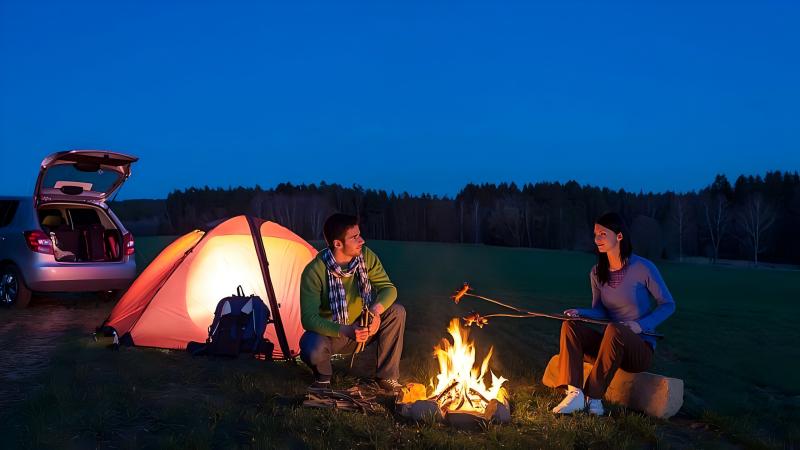
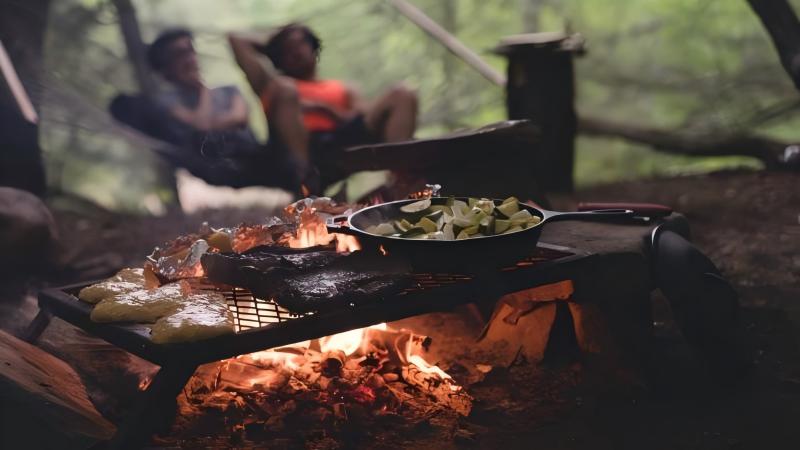
- Crackling campfires, the smoky aroma of sizzling barbecue, and a sky filled with countless twinkling stars overhead. Does it get any better than this? It doesn't. Stargazing and barbecuing are the perfect pairing for an unforgettable camping adventure. But mastering this iconic combination can't be done casually. It takes planning, creativity, and know-how. Luckily, we're here to guide you step-by-step through this magical experience. Get ready to savor a delicious meal while taking in the beauty of the universe.Step 1: Finding the perfect spot Not all campgrounds are created equal, especially when it comes to stargazing. You need a place away from city lights with dark, clear skies. National parks, secluded beaches or remote wooded areas are your best bet. Pro tip: Use apps like Stargazing Guide or Light Pollution Map to find the darkest places near you. Once you've found the ideal spot, make sure your campsite has an open view of the sky. Wide open spaces or hilltops are the best options. If there are trees around, they should act more like a comfortable frame for your view than an annoying curtain that blocks your view of the sky. Step 2: Timing is everything You can't just throw food on the grill and expect the best. The same goes for stargazing. Timing is crucial. First check the weather forecast - clear skies are essential. Next, check the lunar calendar. The new moon is your best friend because the darker the sky, the brighter the stars. Don't forget the big celestial events. Meteor showers, solar eclipses, and even particularly bright galactic nights can take your stargazing to the next level. Check online for dates and times of these cosmic wonders. Trust me, nothing goes better with a juicy burger than watching meteors streak across the sky.Step 3: Set the scene like a pro Now that you've found the perfect place and time, it's time to set the mood. Your campsite is not only temporary shelter, it's also your cosmic restaurant. Start by building a cozy campfire, but don't let it overpower the starlight. A smaller, well-controlled campfire will bring warmth and ambiance without ruining the view. Form a semi-circle around the campfire so everyone has a clear view of the sky. Bring folding chairs, blankets and pillows to create a cool, cozy environment. What about lighting? Use as little as possible. Forgo the bright lanterns for warm, soft fairy lights or a few low-power LED lights. You're here to enjoy the stars, not recreate a stadium.Step 4: Master the art of grilling under the starsOkay, so the next part is the warm-up. To impress under the night sky, your grilling skills must be excellent. Let's break it down: whether you're using a portable charcoal grill, a propane-powered grill, or a traditional campfire grate, be prepared. Start your fire early so you have a bed of glowing coals when you're ready to cook. You're not just grilling, you're creating an outdoor feast. Choose from popular favorites like burgers, hot dogs, and kabobs. Marinate your chicken or veggies ahead of time so you can save energy at the campground. Don't forget the sides - seasoned potato foil packets, corn on the cob, and even garlic bread are easy on the wallet. The sound of meat hitting the grill is like music to your ears. The air is filled with a smoky aroma that makes everyone salivate. Flip the patties with confidence, baste the ribs like a pro, and make sure each skewer is cooked to a perfect char. You're not just cooking, you're performing. And the best part: dessert on the grill. Yes, you heard me. Grilled pineapple rings sprinkled with cinnamon and sugar? Definitely a game changer. Or wrap bananas stuffed with chocolate and marshmallows in aluminum foil and let them melt into gooey perfection.Step 5: Stargazing (while eating) With the food hot and the fire crackling, it's time to turn your attention upwards. Stargazing is more than just looking at the sky, it's about knowing what you see. Download a stargazing app or a simple star chart to guide you through the constellations. Start with the basics: find the North Star, the Big Dipper and Orion's Belt. These iconic landmarks are your gateway to the celestial map. As your eyes adjust to the darkness, you'll begin to notice the dimmer stars and even the hazy glow of the Milky Way. Feeling ambitious? Spotting planets is easier than you think. Venus shines like a diamond (get out of the way, Rihanna), while Jupiter and Saturn's light tends to steal the show. If you have a pair of binoculars, it's a feast for the eyes. Suddenly the craters of the moon and the rings of Saturn are no longer just textbook images; they're right in front of your eyes.If you choose to camp during a meteor shower, then congratulations - you've hit the jackpot. Watching meteors streak across the sky while feasting on barbecue is nothing short of magic. Pro tip: Lie flat on a blanket or recliner for the best view. Don't just watch, turn it into an activity. Challenge your friends to count how many shooting stars they spot or make silly wishes for each one. The more dramatic the better. Oh, and don't forget to keep an eye out for satellites and the occasional airplane gliding silently overhead.

Most Popular
-
- Exquisite life starts with a dryer: easily keep every piece of clothing warm and soft
- by Z
-
- Driving, biking or walking? Which of the different camping transportation options is best
-
- Create a refined life, start with a perfect dressing table
- by Z
-
- Camping in the rain and still having fun? These alternative plans are so good!
-
- Emma Roberts' Wilderness Survival Tips: How Celebrities Push the Limits of Nature
-
- The charm of the dining table: choose the right dining table to make every meal more ceremonial
- by Z




自适应广告标志位只放336*280 或者300*280
Advertisement